Shared apartment guide
Roommate Agreement Checklist for a Shared Apartment
Cover rent, utilities, chores, guests, noise, food, pets, privacy, conflict, and early move-out before assumptions become arguments.

Updated July 28, 2026 · 9 min read
By Apartmentwise · Editorial methodology
The short answer
A useful roommate agreement records how the household intends to handle money, space, cleaning, guests, quiet time, supplies, pets, security, conflict, and move-out. It supports communication but does not replace the lease or automatically override landlord-tenant law.
Discuss money precisely
Write the exact rent split, due dates, utility ownership, shared purchases, and what happens when a payment is late.
Define normal life
Guests, partners, calls, cooking, sleep schedules, pets, temperature, and cleanliness create more conflict than dramatic edge cases.
Plan the ending
Decide how much notice roommates give each other and how replacement, belongings, and shared property are handled.
Lease comes first
Every roommate should understand who is named on the lease, whether liability is joint, and what the landlord requires for occupants, sublets, replacements, guests, pets, and keys.
Check local rules before acting
A household agreement is not a substitute for local legal advice and cannot authorize conduct the lease or law prohibits.
Money and administration
- Exact rent share, payment route, and internal due date.
- Utilities in each person’s name and the split for variable bills.
- Shared supplies, furniture, subscriptions, deposits, and reimbursements.
- Renter’s insurance and responsibility for guest or pet damage.
- How receipts and account confirmations are shared.
Daily-life expectations
- Cleaning standard, chore ownership, and how often shared areas reset.
- Food, cookware, pantry, refrigerator, laundry, bathroom, and storage boundaries.
- Quiet hours plus expectations for ordinary walking, calls, music, gaming, and work.
- Guests, overnight partners, parties, advance notice, and maximum frequency.
- Thermostat, windows, smoking, fragrance, pets, security, keys, and package handling.
Resolve problems before resentment
- Raise a specific current behavior rather than collecting unrelated history.
- Use a scheduled household check-in for non-urgent issues.
- Write down any changed agreement.
- Choose a neutral mediator when direct conversation stalls.
- Contact management for lease, building, safety, or maintenance issues rather than asking a roommate to perform unauthorized repairs.
Early move-out and replacement
- Required notice to the landlord and other roommates.
- Whether a departing roommate must help find a qualified replacement.
- How shared property, deposits, cleaning, and final utilities are divided.
- What happens if management rejects a replacement or the lease cannot be changed.
- How keys, access codes, and mail are returned.
Keep planning
Related renter guides

Resolve neighbor conflict without escalating it
Choose between a calm conversation, neutral note, documentation, mediation, management, and urgent help based on the behavior and safety risk.
Open guide →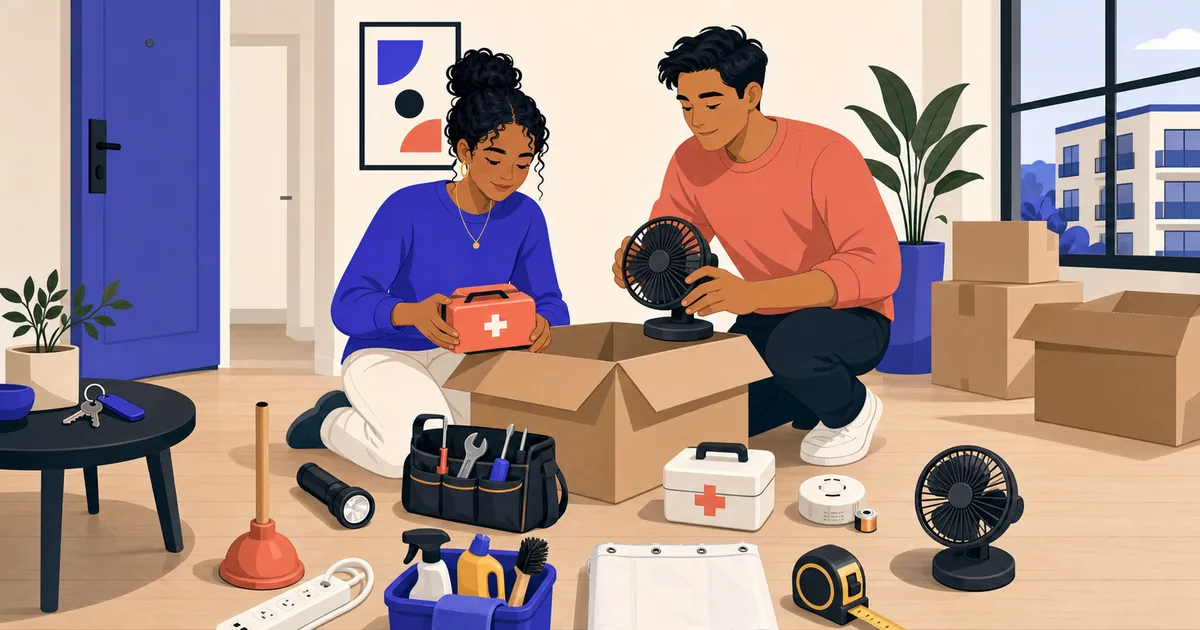
What should a first-time renter buy?
A practical first-apartment checklist focused on safety, small emergencies, food storage, laundry, and renter-friendly upkeep.
Open guide →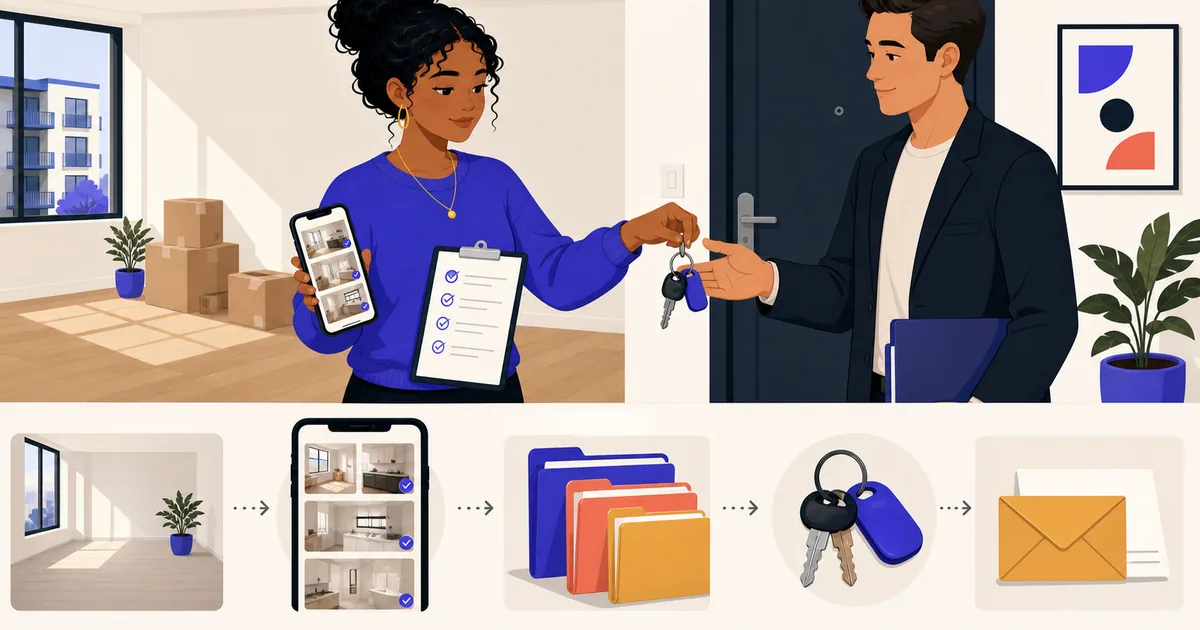
Move out without losing the paper trail
Plan notice, cleaning, repairs, photos, keys, utilities, and deposit follow-up without assuming every charge or deadline is the same locally.
Open guide →